7 Mistakes When Layering Skin-Care Products (and How to Avoid Them)
Many irritated skin routines are not built around one „bad“ product. The real problem is often layering: too many active ingredients, poor timing, no patch testing, and a routine that asks the skin to do too much at once.
That is why skin can look fine for a few days, then suddenly become tight, red, stingy, flaky, or strangely reactive. In many cases, the issue is not that you need more products. It is that your routine needs fewer variables and a better order.
This guide breaks down seven common layering mistakes, why they cause trouble, and how to build a routine that is easier for skin to tolerate over time.

Why layering goes wrong so easily
Layering sounds simple: cleanser, serum, moisturizer, sunscreen. But once exfoliants, vitamin C, retinoids, acne products, barrier creams, and trend-driven serums all get added into the same week, the routine becomes harder to control.
The skin does not only react to one ingredient in isolation. It also reacts to:
- total irritation load
- how often active products are used
- whether the skin barrier is already stressed
- product order and texture load
- how many new variables were introduced at once
That is why routines fail even when each product looked reasonable on its own.
Mistake 1: Using too many active ingredients in the same routine
This is the most common problem.
AHA, BHA, retinoids, benzoyl peroxide, strong vitamin C formulas, exfoliating pads, brightening serums, and spot treatments can all make sense in the right context. But many routines combine them too aggressively.
What happens then:
- the skin barrier gets overloaded
- stinging and redness become more common
- flaking is mistaken for „the products working“
- people keep adding more soothing products on top without removing the trigger
If your skin suddenly becomes reactive, look at the routine as a whole. The problem may be the combination, not a single step.
Better approach:
- introduce one active at a time
- keep the rest of the routine simple
- give each change at least one to two weeks before adding another
Mistake 2: Ignoring product order
Layering order does not need to be obsessive, but it does matter.
A simple rule works well for many routines:
- cleanse first
- apply lighter, water-based products before richer ones
- use moisturizer after treatment steps
- apply sunscreen last in the morning
When the order gets scrambled, routines can feel heavy, inconsistent, or more irritating than necessary. A very rich cream applied too early can also make the rest of the routine feel messy rather than supportive.
You do not need a 12-step sequence. You just need a logical one.
Mistake 3: Never giving the skin a quiet day
Some people use treatment products every morning and every night because they want faster results. But skin often does better when it gets lower-intensity days built into the week.
If every day is a treatment day, the skin never gets a chance to settle.
Quiet-day routine:
- gentle cleanse
- simple hydrating step if needed
- moisturizer
- sunscreen in the morning
This is especially useful if your skin has started to feel tight, over-cleansed, or unpredictable. Rest days are not „doing nothing.“ They are part of the routine.
Mistake 4: Adding every new trend immediately
One new serum is manageable. Three new products plus a treatment mask plus a stronger exfoliant is how many routines become impossible to troubleshoot.
This creates two problems:
- you cannot tell what is helping
- you cannot tell what is harming your skin
That uncertainty leads many people to keep switching products instead of stabilizing the routine.
Better approach:
- add one new product at a time
- keep a stable baseline around it
- watch for irritation, breakouts, dryness, or stinging for several days
Slower testing saves money and prevents a lot of unnecessary irritation.
Mistake 5: Skipping patch testing
Patch tests are boring, but they are one of the easiest ways to avoid routine disasters.
If your skin reacts easily, patch testing matters even more when you are using:
- active ingredients
- fragranced products
- strong masks or exfoliants
- products you plan to use repeatedly
Simple patch test:
- Apply a small amount to a limited area such as the jawline or behind the ear.
- Wait and watch for burning, rash, swelling, or persistent redness.
- If nothing unusual happens, use the product on a small facial area before applying it broadly.
Patch testing is not a guarantee, but it catches many obvious problems early.
Mistake 6: Exfoliating too often
Over-exfoliation is one of the fastest ways to turn a decent routine into an irritated one.
At first, the skin may feel smoother or look brighter. That makes it easy to assume more exfoliation equals better results. But if the barrier starts to weaken, the next signs are often:
- burning when basic products are applied
- tightness after cleansing
- diffuse redness
- rough texture that does not improve
- increased sensitivity to products that were once fine
If this is happening, adding more „repair“ products while continuing to over-exfoliate usually does not solve the problem.
Better approach:
- reduce exfoliation frequency
- stop stacking multiple exfoliating steps
- return to a calmer baseline routine first
Mistake 7: Trying to solve every skin goal in one routine
This mistake is easy to underestimate.
Many routines try to do all of this at the same time:
- calm irritation
- brighten the skin
- treat acne
- improve texture
- support anti-aging
- reduce oiliness
That sounds efficient, but it often creates conflict. A routine that is trying to solve everything may end up tolerating nothing well.
A better strategy is phase-based:
- choose one main goal for the next two to four weeks
- build the routine around that goal
- keep the rest of the routine supportive, not aggressive
For example, if your skin is already irritated, barrier support should probably come before stronger resurfacing goals.
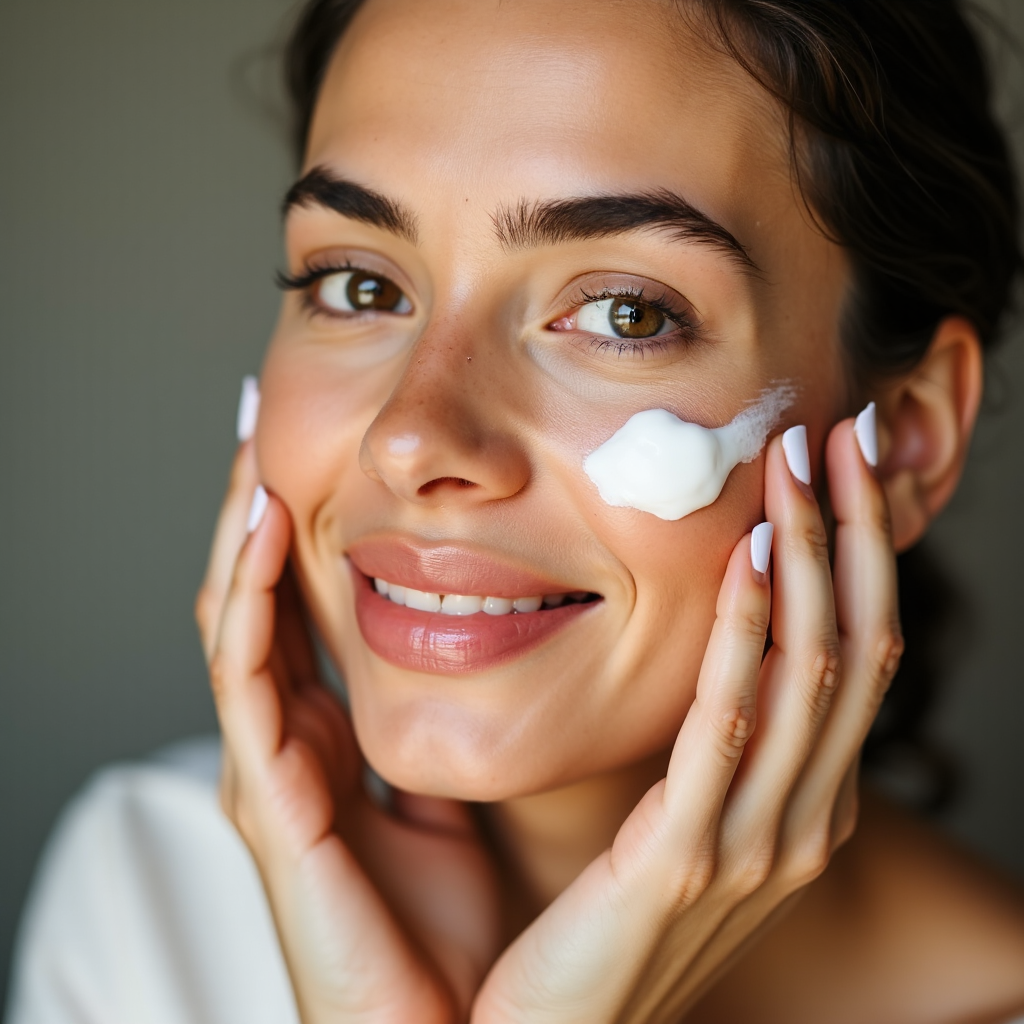
What a more stable layering routine looks like
For many people, a workable baseline looks like this.
Morning
- Gentle cleanse, or a lukewarm water rinse if skin is very dry
- One simple hydrating or treatment step if needed
- Moisturizer
- Broad-spectrum sunscreen
Evening
- Gentle cleanse
- One treatment step only, if your skin is tolerating it well
- Moisturizer
That „one treatment step only“ rule solves a surprising number of problems. It forces you to stop stacking strong formulas just because they are all sitting on the same shelf.
How to know whether your routine is getting overloaded
Watch for these signals:
- your skin feels worse after products than before
- basic moisturizer starts stinging
- redness lingers longer than usual
- dryness and oiliness increase at the same time
- products that used to be easy now feel harsh
These signs do not always mean your products are wrong forever. They often mean your skin needs a simpler routine and more recovery time.
When to scale back immediately
Pause and simplify the routine if:
- you are peeling and stinging at the same time
- cleansing feels uncomfortable
- skin looks shiny but feels tight
- multiple active products were added close together
- you are no longer sure what is causing the irritation
A short reset often works better than trying to rescue the routine with even more steps.
When professional help makes sense
Home routine adjustments have limits.
Get professional advice if:
- irritation keeps worsening despite simplification
- the skin is painful, cracking, or weeping
- you suspect allergy rather than simple sensitivity
- the same pattern keeps repeating whenever you try to use basic products
That does not mean you failed. It means the problem may need a clearer diagnosis than routine tweaks alone can provide.
Main takeaways
- Layering problems are often about cumulative irritation, not one villain product.
- Fewer active products usually means clearer results and fewer setbacks.
- Product order should be logical, not chaotic.
- Patch testing and quiet days prevent a lot of avoidable irritation.
- A routine with one clear goal is usually easier to tolerate than a routine trying to fix everything at once.
Your next step
If your current routine already feels too reactive, pause the extras and rebuild around a calmer baseline. Then read Skin Barrier 101: How to Support It Naturally for barrier-first recovery, or continue with 9 Natural Remedies for Itchy Scalp (with Daily Routine) if irritation is showing up on the scalp too.